Designing Environments of Dignity:
Therapeutic Spatial Design
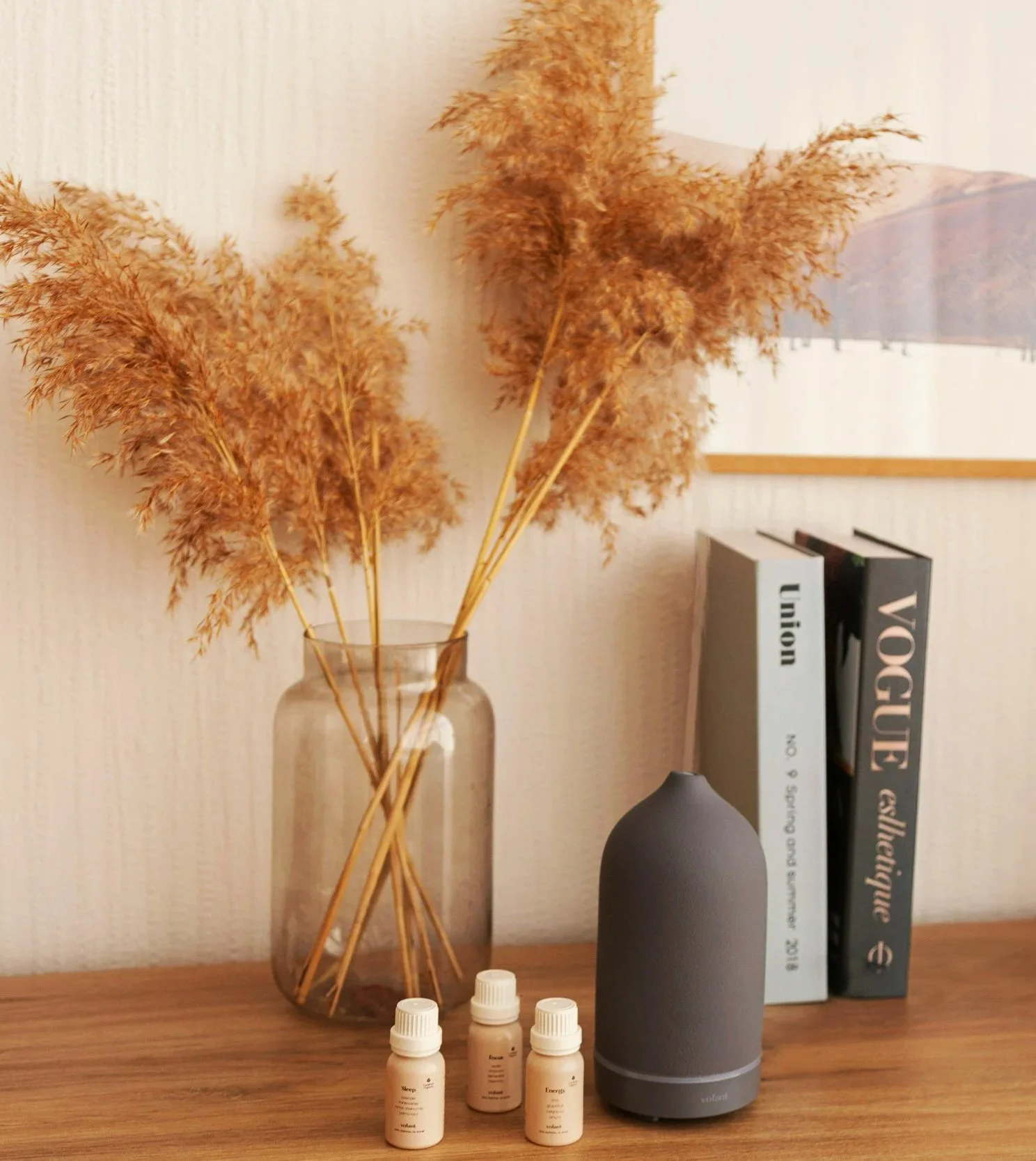
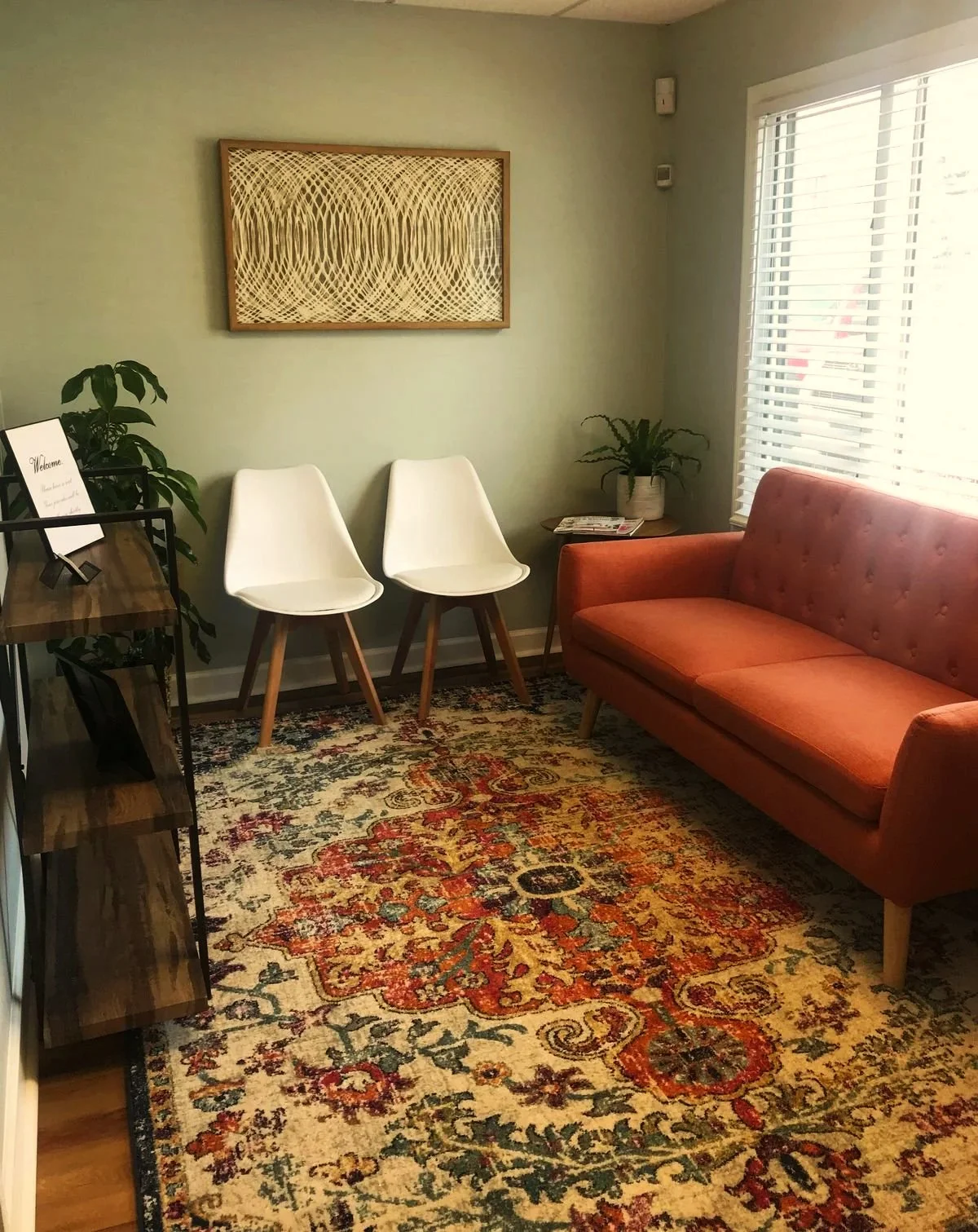
Therapeutic design transforms environments into supportive, low-stress sanctuaries that actively aid mental health and well-being. By moving away from cold, institutional setups, this approach shapes spaces that protect your privacy, honor your personal dignity, and foster a deep sense of emotional and physical safety.
My Approach: Dignity-First Spaces
Radical Hospitality: Spaces that greet you with warmth, offering refreshments, comfortable clothing, and zero judgment.
De-Clinicalized Environments: Zero harsh lighting, rigid seating, or institutional barriers that trigger anxiety or shame.
Inherent Agency: Layouts designed for absolute comfort, visual privacy, and the freedom to interact with the room on your own terms.
Sensory Soothing: Intentional use of calming acoustics, soft lighting, and tactile, natural materials that settle the nervous system.
Frameworks:
Trauma-Informed Design (TID): This framework directly translates the psychological tenets of trauma-informed care into physical architecture. It actively minimizes spatial triggers—such as dead ends, blind corners, or institutional confinement—while maximizing spatial availability, clear sight-lines, and predictable transitions to soothe hypervigilance.
Neuro-Inclusive / Sensory-Inclusive Design: Grounded in neurodiversity-affirming care, this approach creates spaces that honor diverse cognitive and sensory processing profiles. It utilizes responsive environmental zones, dimmable adaptive lighting, and acoustic dampening to allow neurodivergent individuals to seamlessly self-regulate without masking or distress.
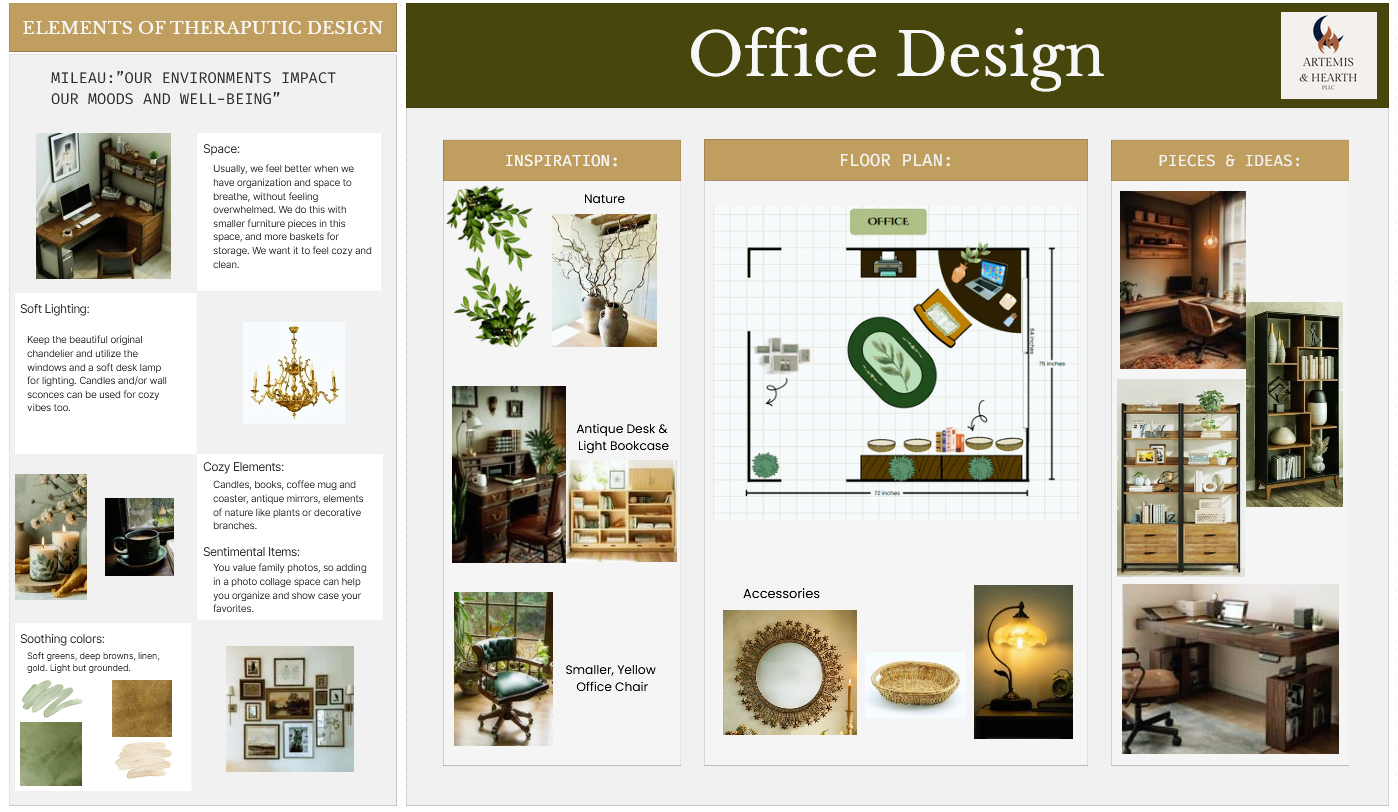
Milieu Therapy: Structuring the immediate, everyday environment as a safe, active tool for psychological healing and emotional containment.
Hygge (Danish/Norwegian): The intentional curation of cozy, warm, and intimate spaces that promote a feeling of contentment and community connection.
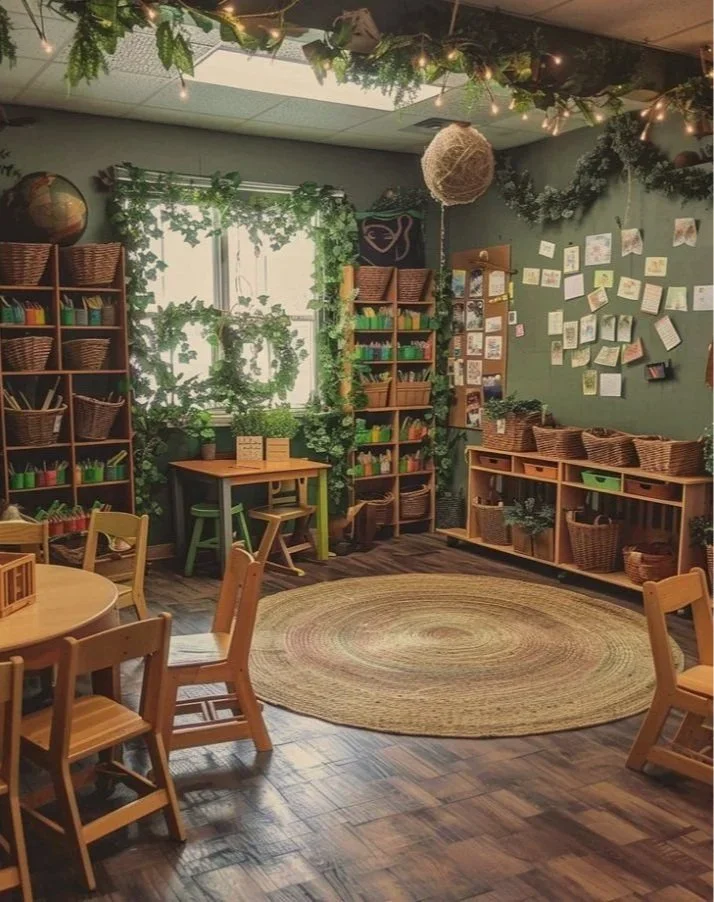
Indigenous Land-Centric Practices: Honoring the profound understanding that humans are not separate from nature, but part of it. This means bringing the outside in through organic materials, biophilic elements, and layouts that respect our inter-connectedness with the natural world, and acknowledge the deep history of the land we stand and live and work on, and who came before.
Target spaces: Group practices, community clinics, academic spaces, and individual work spaces.

Moodboards & Examples:

Earthy & Grounded

Celestial & Grounded
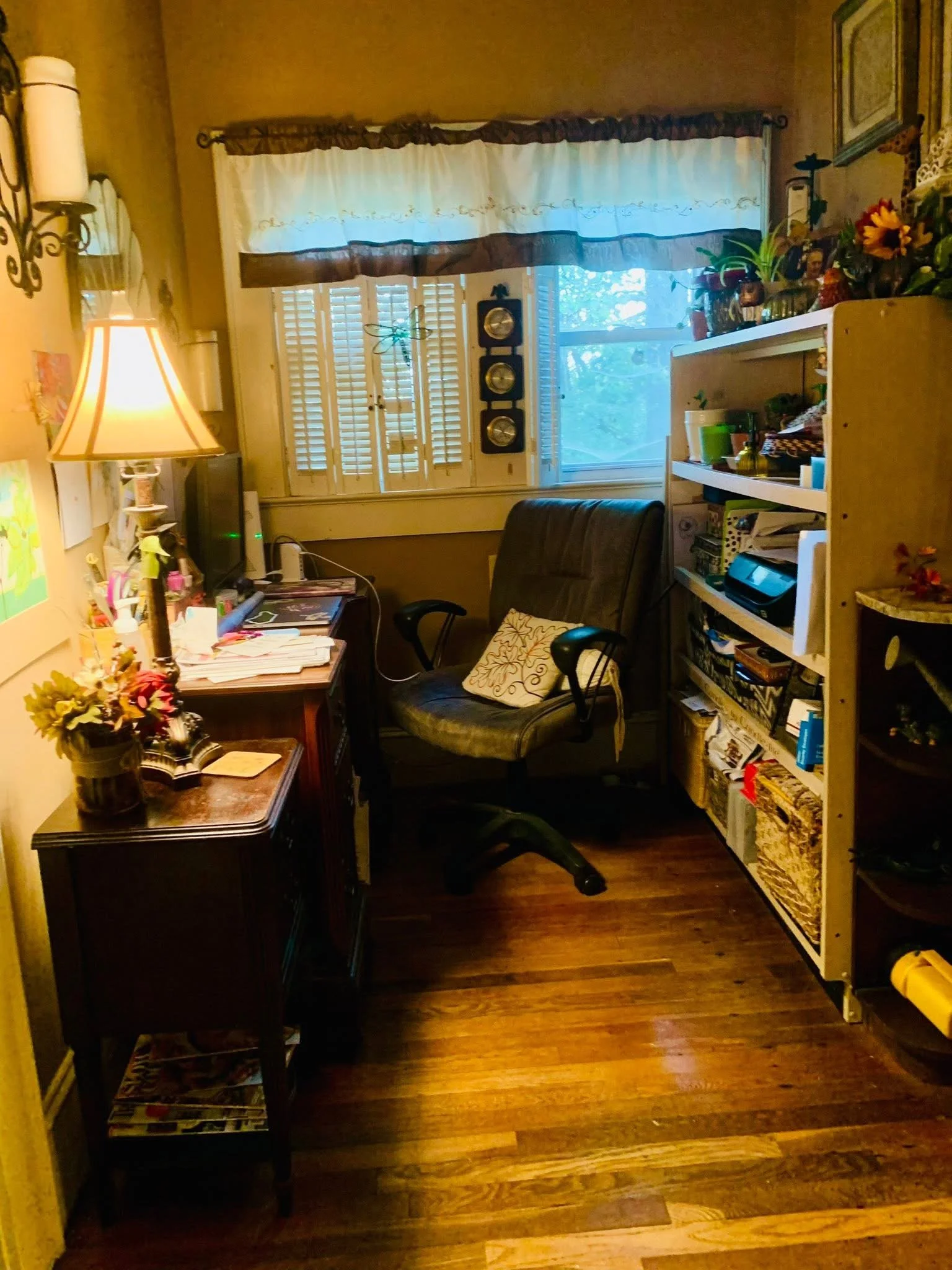
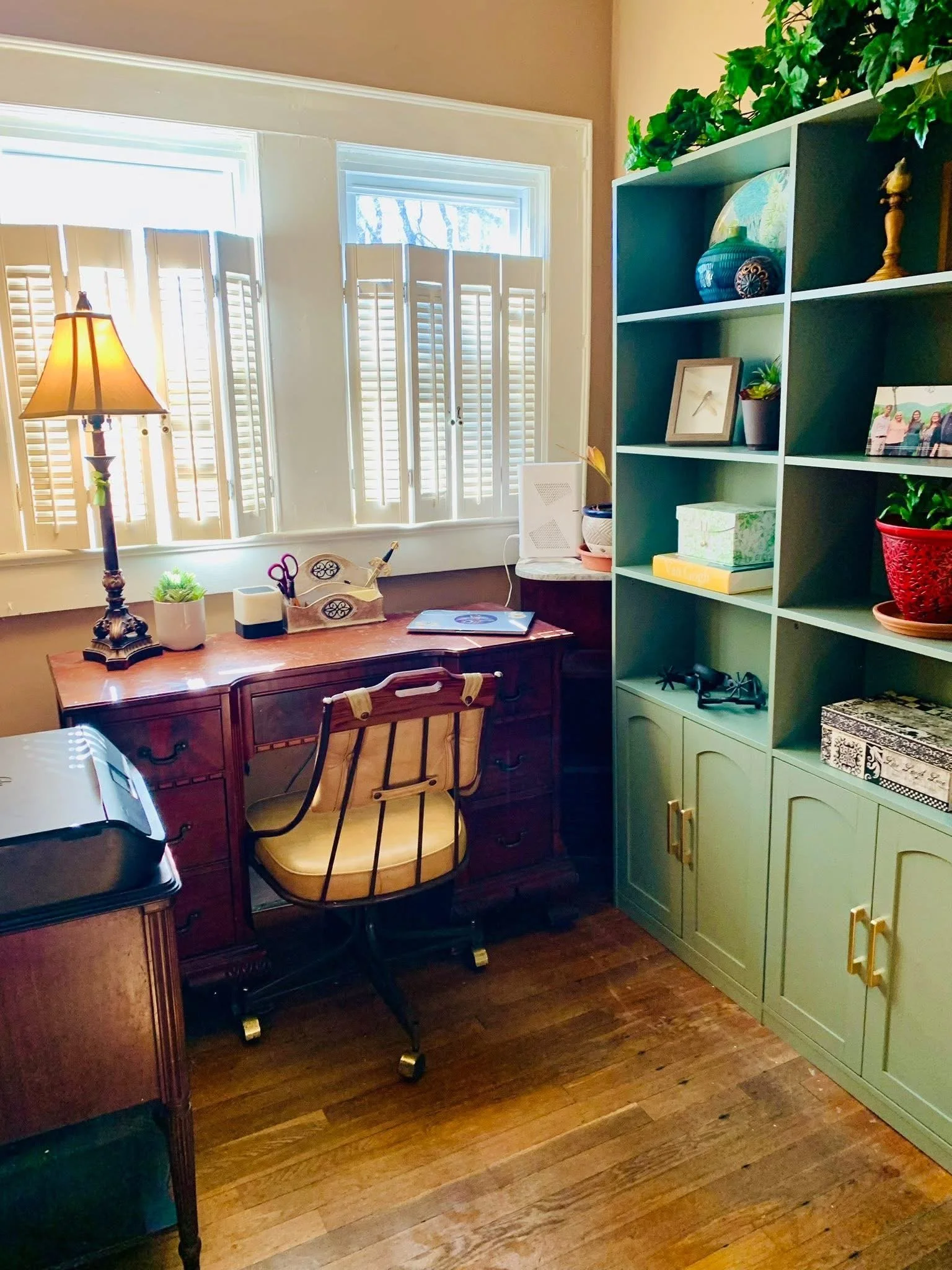
De-colonial Practice Alignment:
Framework: Consulting for clinicians or organizations looking to dismantle the "expert/client" power dynamic.
Focus: Helping white allies edit their intake forms, clinic aesthetics, and communication methods to move from standard "Western talk therapy" to power-sharing, anti-oppressive frameworks.

Available Consultations:
Therapeutic Design
Sensory Accessibility: Assessing lighting, acoustics, and spatial flow to support neurodivergent individuals and those with disabilities.
Spatial Dignity: Restructuring waiting rooms, offices, or classrooms to reduce visual chaos, promote somatic grounding, and enhance comfort.
Action Plan: Providing a practical, trauma-informed blueprint to transform your physical space.
Systemic Equity & Practice
Workflow Review: Evaluating intake forms, website copy, and clinic models to ensure they share power and minimize barriers.
Inclusive Leadership: Consulting with practice owners to move away from rigid hierarchies toward collaborative, supportive systems.
Belonging Cultivations: Updating internal policies to better protect and empower women, queer individuals, and minoritized team members.
Workshops & Academic Speaking
Spatial Justice: Educational lectures on how physical architecture and environments impact mental health and dignity.
Inclusive Practice: Practical training for organizations looking to cultivate deep belonging without polarizing frameworks.
Contact me via ‘Contact’ button below!